
No household gadget works harder to keep our homes spick and span than the vacuum cleaner. Most models can deal with all manner of everyday household dirt, but as with any tool or appliance, you can give yours a longer and more fruitful life by performing a few regular maintenance jobs.
Iwan Carrington, author of Clean in 15 and the cleaning expert from BBC’s Sort Your Life Out, explained to me that you should “give your vacuum a quick check before each use to avoid problems such as clogging or low power”. We’ll go through the list of things to look for below.
For an even deeper dive into the inner workings of these devices, I also enlisted the help of Jonny Marsh, who has been fixing vacuum cleaners for 16 years, and produces useful videos on vacuum maintenance on his YouTube channel, Vacuum Help.
Empty it regularly
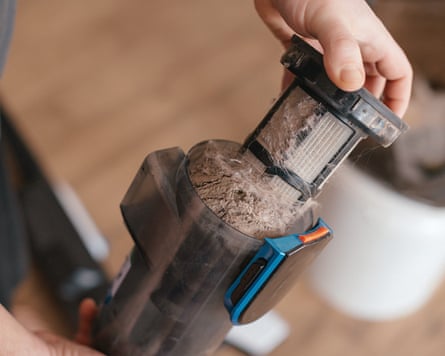
Vacuum cleaners that use bags can be left until they’re about three-quarters full before they need replacing. Bags usually have a decent capacity and should last for a good few cleans. The bag will feel plump and the suction may reduce when it needs changing, but don’t leave it too late, or you may create a clog elsewhere in the cleaner.
Cordless vacuum cleaners work best when they’re empty, as dirt in the collection bin can block airflow to the filters, which will reduce the suction power. Most bagless collection bins use gravity to empty – you simply open a door on the bin and the dirt drops out. Marsh suggests taking this further. “Remove the bin and tap dust from the cyclone shrouds,” he says, referring to the fine mesh that keeps most of the dirt that’s vacuumed up from getting sucked into the motor. “Letting fine dust build up here reduces airflow and forces the motor to work harder, shortening its life.”
Remove hair from floor head rollers
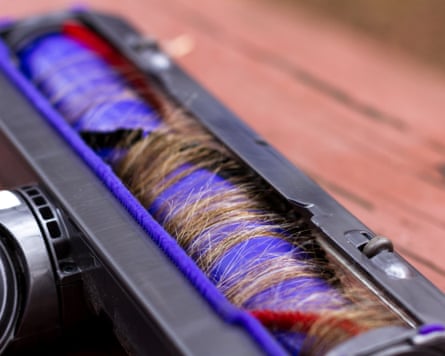
In most households, the biggest enemy of floor heads is hair. It gets caught in the rollers, wrapping itself around them. The more this builds up, the less effective your vacuum will be, and leaving hair on the brush bar can damage its bristles or fins. Marsh also notes that tangles “around the end cogs put strain on the brush motor and belt. On modern vacuums with small, electronically controlled motors, this extra resistance can cause premature failure.”
Best to get rid of it all, then (always unplug your vacuum before attempting this). Usually, hair trapped on the roller can be removed with scissors, particularly if your brush bar has a groove along it. This has been designed to let you get the blade of a pair of scissors underneath the hair. If you can’t get scissors in, Carrington recommends using a thread picker or seam ripper, which you can slide under the hair and cut through it with its sharp inner claw edge.
To get to the end cogs that Marsh flagged up, you’ll probably need to remove the roller. It’s usually held in place with a simple screw, which can be undone with a screwdriver or coin. This will release a plate that holds the roller in place, so it can then be removed and any hair or other threads lifted off.
While you’re inside the floor head, check for any other buildup of dirt. If it has an anti-tangle mechanism – usually a comb-like moulding on the inside that removes hair from the roller as it rotates – check there’s nothing stuck between the teeth and prise out any debris that’s stuck there.
Wash (and dry) your filter regularly
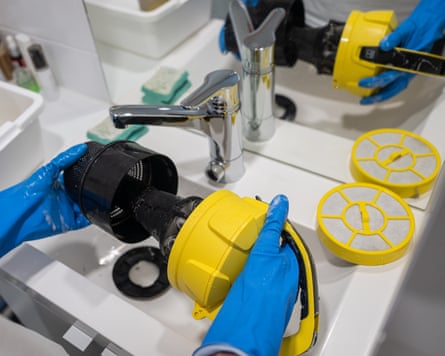
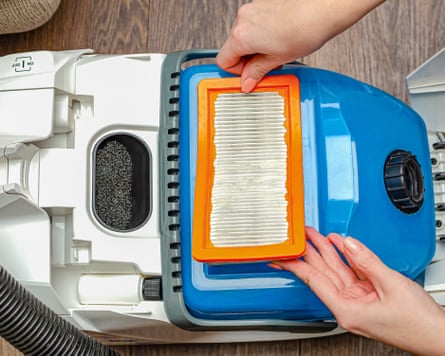
Marsh says that filthy, clogged-up filters are the most common problem he finds when fixing vacuum cleaners. “Most modern vacuums need their filters washing and fully drying every one to three months,” he says. “When filters clog, they sit directly in front of the motor and act like a wall, killing suction and forcing the motor to overwork. Shark, Vax and Dyson models are all frequent victims, but it’s entirely preventable.”
Information on how to wash your vacuum’s filters will be in the manual. If you haven’t got one, look it up online. Many types of filters can be washed by rinsing them with cold water, but not all of them, so you have to check before getting them wet. Rinsing removes most of the dirt, but filters should be allowed to dry completely, for at least 24 hours, before popping them back in your vacuum.
Don’t suck up the wrong things

Certain things should never be cleaned with your vacuum. Sharp debris, such as broken glass, can damage soft internal elements such as bags and filters. Toothpicks can get stuck in tubes and catch other things, slowly creating a blockage that reduces suction.
Marsh tells me that “hair grips are particularly destructive and often get lodged in moving parts, cracking plastic housings. Clothing tags can melt around brush rolls, and coins and bottle caps frequently cause internal blockages.”
It’s also not advisable to use your vacuum to tidy up after heavy-duty DIY jobs. “Plaster dust is a big problem,” says Marsh. “Domestic vacuums aren’t designed for it – it packs into filters, cyclones and bearings, and can lead to early motor failure. This is one of the most expensive mistakes I see.”
Care for your cord
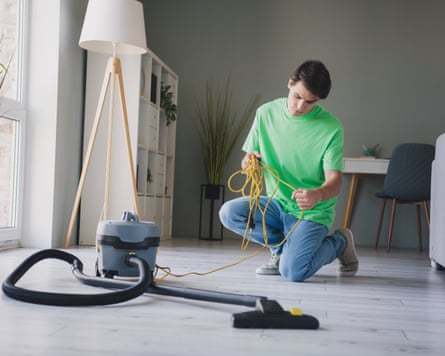
If you use a vacuum with a cord, Marsh says you should “always rewind the cable neatly and avoid vacuuming over it. A damaged cable isn’t just a repair issue – it’s a genuine safety hazard.” Carrington concurs. When using a corded vacuum, he suggests you “plug it in near the door, so the cable stays behind you as you work”.
Consider a service
If you’ve spent a lot of money on your vacuum cleaner, it’s worth getting it professionally serviced every year or so. This will help keep it in top condition, and a seasoned service engineer may spot maintenance issues before they become serious problems.
Servicing needn’t be expensive and can cost from about £35, assuming no new parts are required. Servicing companies tend to be regional, so a local internet search is the best way to find one in your area. Some vacuum engineers are mobile and will come to you.
For more:
The best cordless vacuum cleaners, tested
The best robot vacuums to keep your home clean
Andy Shaw is a consumer journalist and technology addict. Having reviewed tech products professionally for more than 30 years, his favoured working environment is a small desk surrounded by big boxes. His greatest weakness is that he never, ever remembers how things came out of their packaging, so they rarely fit back in again when it’s time to return them