
Teh Argument for a Self-Sufficient HHS: An Urgent Dialog
By DAVID INTROCASO
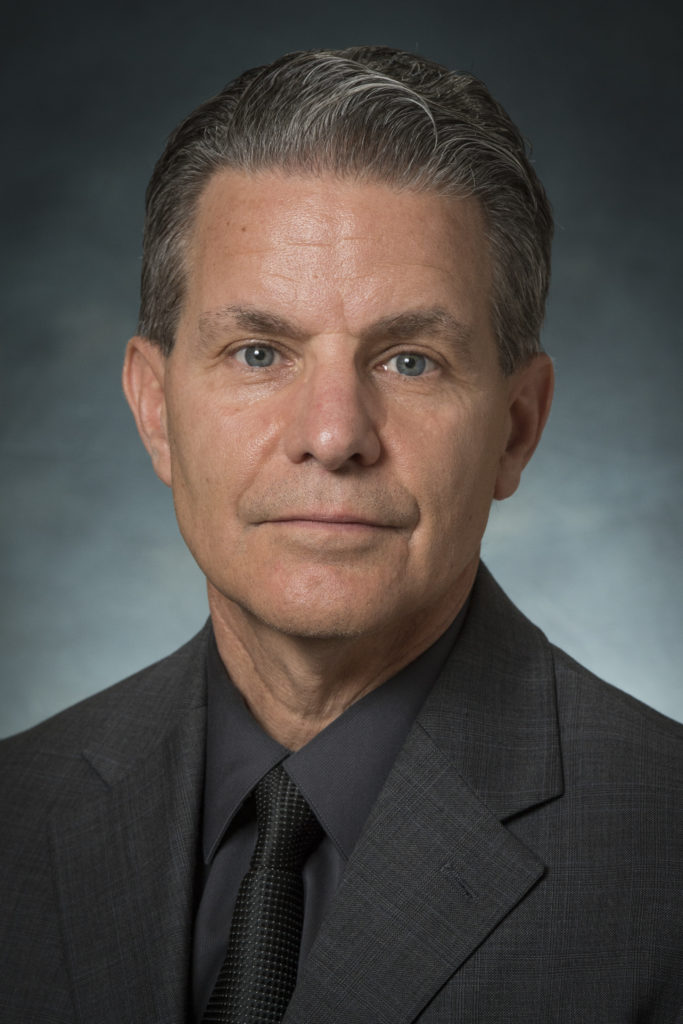
After dedicating sixteen years to public service in Washington, D.C., I initiated The healthcare Policy Podcast in 2013.The title was somewhat ironic, highlighting the limited scope of healthcare policymaking within the capital. Consequently, healthcare delivery has become excessively commodified and financialized—rendering it outdated and paradoxically ineffective. If our aim were true health enhancement, we would witness improved outcomes; though, this is not reflected in reality. For instance,despite climate change being one of the most pressing threats to public health today,there is a conspicuous lack of related policies integrated into our healthcare system.
The conversation surrounding HHS’s mission “to enhance . . . the well-being of all Americans” often lacks depth. Our focus tends to be on treating illnesses rather than considering individuals as whole beings; we mistakenly equate health solely with the absence of disease. This narrow outlook contributes to increasing mortality rates and stagnant life expectancy among medicare recipients—who are expected to constitute over 20% of our population soon. Regarding child welfare, while HHS’s recent report titled “Make Our Children Healthy Again” raised concerns about children’s physical fitness levels, it overlooked critical issues such as childhood sexual abuse—a topic brought into sharp focus by high-profile cases involving figures like Jeffrey Epstein and former House Speaker Dennis Hastert.
Astonishingly enough, organizations like the AMA have yet to rescind Speaker Hastert’s prestigious award from 2006 that acknowledged his contributions to public health despite his criminal past. Moreover, discussions regarding Medicaid reform—which supports nearly half of all children in America—are glaringly absent from policy dialogues. It is equally surprising how seldom influential thinkers such as Arrow or Foucault are referenced within these discussions.
The current landscape following cuts from OBBBA impacting Medicaid and Medicare programs has been worsened by violence against CDC facilities—including an incident that tragically resulted in a police officer’s death—and months marked by ethical breaches at HHS have left us without clear direction for healthcare policy-making. This predicament may arise from leadership neglecting Richard Hofstadter’s warnings about anti-intellectualism taking root within government agencies.
A Road Ahead: redefining Independence for HHS
A potential silver lining amidst this chaos is that Congress could effectively restore trust in HHS if it collaborates with MedPAC and MACPAC to redefine it as an self-reliant agency free from political entanglements or partisan pressures. Such straightforward reform should have already received serious consideration had policymakers exercised greater creativity.
An Ancient Perspective on Independence Proposals
The concept of establishing an independent body for managing healthcare isn’t novel; Dr. Arnold Relman proposed creating a “National Health Care Agency ” two decades ago—a hybrid association similar to the federal reserve—with governance by an independent board appointed by the president and confirmed by Senate members for extended terms.
This idea gained renewed attention in 2016 when six former FDA commissioners (four appointed under Republican administrations) advocated transforming the FDA into an autonomous agency focused on scientific integrity while enhancing accountability and transparency within its operations.
The GAO Report Unveils Systemic Issues at HHS
P
This prompted GAO reports examining how susceptible these agencies are to political influence while suggesting potential strategies for minimizing such impacts moving forward; however they found few structural safeguards currently exist against this interference.
For instance,HHS must submit its budgetary requests regulatory guidelines along with communications intended towards Congress through White House Office Management Budget (OMB), limiting autonomy significantly.
To counteract possible politicization ,GAO optimistically suggested fostering scientific integrity culture alongside advisory committees but remained noncommittal regarding independence prospects concerning FDA itself.
An independent version could possibly mitigate extreme political rhetoric surrounding vaccines—which have saved approximately154 million lives .By distancing itself from special interest groups influencing legislation heavily funded last year ($650 million),HSS might finally fulfill its promise reflected through Independence Avenue address where true focus lies upon improving public health rather than navigating murky waters dictated solely via politics!
David introcaso is a consultant specializing in healthcare research & policy based out Washington D.C..